
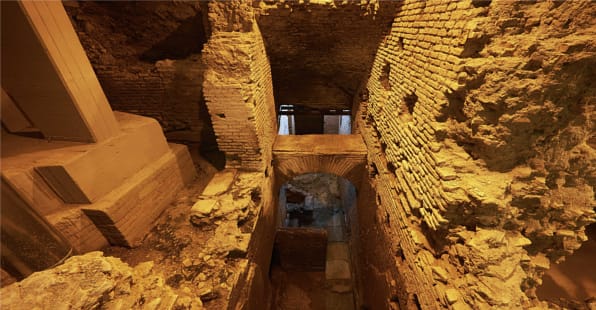
A fully private, skip-the-line experience with a licensed expert
- ⭐ Private licensed guide
- 🚶 Skip-the-line access
- 📍 Duration: 3 hours
- 📅 Flexible dates & start time
- 🎧 Fully customizable itinerary
Tour Overview
Discover the hidden stories of Rome’s aqueducts and fountains on our City of Water Tour. This unique tour takes you through Rome’s rich hydraulic history, where you’ll learn about the ancient aqueducts that brought water to the city and the iconic fountains that have decorated Rome’s squares for centuries.
Check Availability & Price
Private Tour Pricing
👉 Starting from 299 € / $ 320 USD por person per group
Final price depends on group size, date, and optional upgrades.
Submit a request
Tour Description
City of Water: The Mysteries of Rome’s Aqueducts and Fountains
Rome is often called the City of Water. For over two thousand years, aqueducts, fountains, and monumental waterworks have shaped the city’s landscape. This tour reveals the fascinating engineering, art, and history behind the water system that made Rome one of the greatest cities of the ancient world.
The Water System That Built an Empire
The Romans were masters of hydraulic engineering. Beginning in the 3rd century BC, they constructed a vast network of aqueducts that transported fresh water from distant springs into the city.
At its height, ancient Rome was supplied by eleven aqueducts, delivering enormous quantities of water to public baths, fountains, and private houses.
This infrastructure allowed Rome to sustain a population of nearly one million inhabitants, making it the largest city of the ancient world.
The Aqueducts of Rome
Among the most famous aqueducts was the Acqua Vergine, originally built in 19 BC by Marcus Agrippa to supply water to the Baths of Agrippa.
Remarkably, this aqueduct is still functioning today and feeds several famous fountains, including the Trevi Fountain.
Another important aqueduct was the Acqua Felice, constructed in 1586 under Pope Sixtus V to restore water to the hills of Rome after the ancient aqueducts had fallen into disrepair.
These monumental water channels stretched for hundreds of kilometers and represent one of the greatest engineering achievements of antiquity.
Rome’s Fountains: Where Engineering Meets Art
Rome’s aqueducts did more than provide water—they created some of the most beautiful monuments in the city.
The spectacular fountains scattered throughout Rome often marked the final point of an aqueduct, known as a mostra or display fountain.
These monumental fountains celebrated the success of the waterworks and the power of the pope or patron who restored them.
The most famous example is the Trevi Fountain, one of the largest Baroque fountains in the world and the symbolic terminus of the Acqua Vergine aqueduct.
Hidden Fountains and Everyday Water
Beyond the famous monuments, Rome is filled with hundreds of smaller fountains that continue to provide drinking water to locals and visitors.
Today the city has more than 1,500 fountains and thousands of small public drinking fountains known as “nasoni.”
These fountains are part of a living tradition that connects modern Rome to its ancient hydraulic system.
Did You Know ?
The Aqueducts Were Extremely Precise
Roman engineers designed aqueducts with an incredibly small gradient so that water could flow naturally over long distances without pumps.
Water Was a Symbol of Power
Building a new aqueduct or monumental fountain was a political statement. Popes and emperors used water monuments to demonstrate wealth, engineering skill, and control over nature.
Frequently Asked Questions
Rome earned this nickname because of its extensive aqueduct system and hundreds of fountains that supplied water to the city for over two thousand years.
Private tours offer personalized pacing, deeper historical insights and zero crowd disruption — perfect for families and history lovers.
Absolutely — the guide can adapt details to your interests, questions and pace.
Yes — private tours are ideal for families and can be tailored for all ages.
Reviews & Social Proof
⭐⭐⭐⭐⭐
Related Post
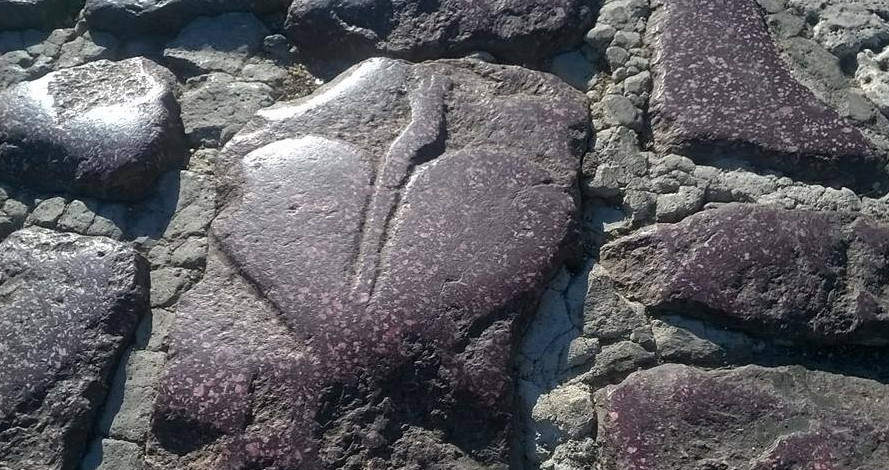

The Heart of Nero: Hidden Gem in St. Peter’s Square | RomeTrip
In the majestic expanse of St. Peter’s Square, where millions of cobblestones pave the ground, an unusual stone quietly draws attention: the Heart of Nero. This tiny porphyry stone carved like a heart hides amidst the Rosa dei Venti — the compass rose surrounding the Vatican obelisk — inviting visitors to discover a secret story…
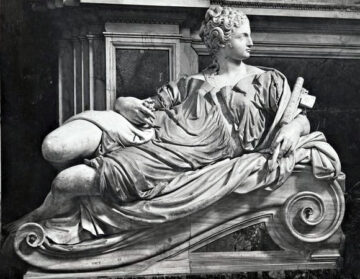

Giulia Farnese & Pope Paul III: Vatican Scandal, Art & History | RomeTrip
The Vatican is a place of immense art, history, and spirituality — but also of intriguing scandals. Among the most talked-about stories of the Renaissance is that of Giulia Farnese and her brother, Pope Paul III, a tale woven through art, symbolism, and controversy. Who Was Giulia Farnese? Giulia Farnese (1475–1524), known in her time…
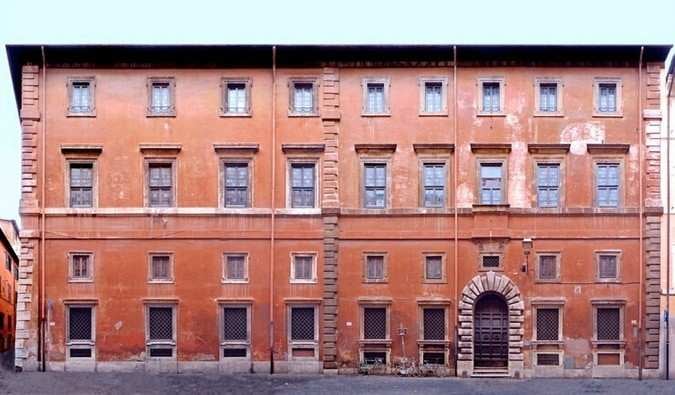

Crime & Punishment in Papal Rome: The Chained Thieves
Long before Rome was the capital of a unified Italy, it was the seat of the Papal States, where the Pope held both the keys to Heaven and the sword of earthly justice. While today we admire the city’s Baroque fountains and Renaissance palaces, the streets of 17th and 18th-century Rome witnessed a much darker…