
Long before Rome was the capital of a unified Italy, it was the seat of the Papal States, where the Pope held both the keys to Heaven and the sword of earthly justice. While today we admire the city’s Baroque fountains and Renaissance palaces, the streets of 17th and 18th-century Rome witnessed a much darker reality: a justice system built on public humiliation, iron chains, and the notorious “Chained Thieves.”
The Pope’s Iron Fist: Justice in the Eternal City
In the Rome of the Popes, punishment was rarely private. The goal wasn’t just to penalize the criminal, but to terrify the public into submission. For minor crimes like petty theft or blasphemy, the punishment of choice was public shame.
Criminals were often paraded through the streets wearing heavy iron collars or forced to stand in “the pillory” in crowded squares like Campo de’ Fiori, where passersby were encouraged to jeer and pelt them with rotten vegetables.
The “Chained Thieves” of Via Giulia
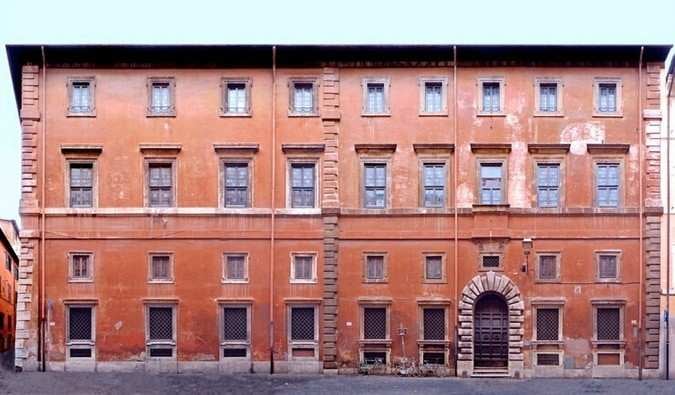
One of the most evocative traces of this era can be found near Via Giulia, once the most fashionable street in Rome and home to the Carceri Nuove (The New Prisons).
The “Chained Thieves” were convicts sentenced to hard labor or public service. Unlike modern prisoners hidden behind walls, these men were a common sight, clanking through the cobblestone alleys in heavy chains. They were often forced to clean the streets or work on public construction projects, serving as a living, breathing warning to anyone considering a life of crime.
Did You Know?
The phrase “Mastro Titta is crossing the bridge” used to strike terror into Romans. Mastro Titta was the Papal State’s most famous executioner, who carried out over 500 executions during his long career.
The Ritual of Repentance
Justice in Rome was also deeply religious. Groups like the Confraternity of San Giovanni Decollato were dedicated to the “spiritual health” of the condemned. They would accompany prisoners to the gallows, chanting prayers and offering them a final chance to repent. In many ways, the execution was seen as a theatrical performance designed to save the criminal’s soul while asserting the Pope’s absolute power.
Where to Find “Dark Rome” Today
If you want to walk the path of the condemned, visit these locations:
- Via Giulia: Look for the Carceri Nuove, the imposing brick building that served as Rome’s state-of-the-art prison in the 1600s.
- Piazza di Ponte Sant’Angelo: The site of many public executions, with the castle serving as a grim backdrop.
- Criminology Museum (Museo di Criminologia): Located on Via del Gonfalone, it houses actual instruments of torture and punishment from the Papal era.
Who were the “Chained Thieves” in Rome ?
They were convicts in Papal Rome sentenced to public labor. They were recognizable by the heavy iron chains they wore while performing city maintenance as a form of public shaming.
Where can I see the prisons of the Popes ?
The most famous is the Carceri Nuove on Via Giulia. You can also visit the Mamertine Prison near the Roman Forum, where St. Peter was famously held.
Who was the famous executioner of Rome ?
Giovanni Battista Bugatti, known as Mastro Titta, was the official executioner for the Papal States from 1796 to 1864. He became a legendary figure in Roman folklore.
Start Planning Your Private Rome Experience Today
Discover Rome like never before with private tours led by local experts. Perfect for first-timers and repeat travelers alike.
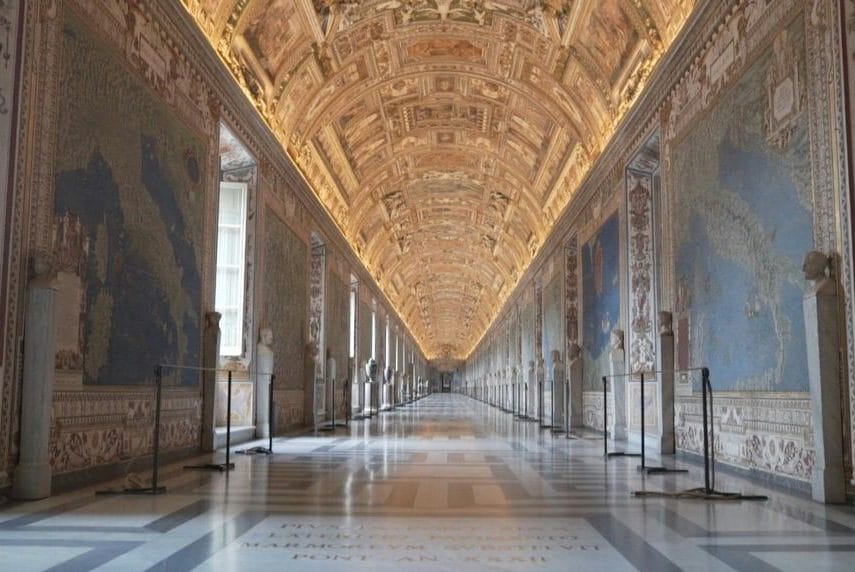
Vatican Museums and Sistine Chapel Tour
- What’s Included: Skip-the-line access, expert guide, Vatican Museums and Sistine Chapel.
- Duration: 3 hours
Explore the Vatican Museums and the Sistine Chapel with a 100% private guided tour, created exclusively for you and your group. Skip long lines, avoid crowded group tours, and enjoy one of the world’s most extraordinary art collections with a licensed expert guide.