
Hidden within the Vatican Museums lies one of the most curious relics of papal history: the sedia stercoraria, a ceremonial marble chair once used in the coronation of new popes. Though seldom seen by most visitors, it reveals fascinating insight into the rituals of medieval Rome.
A Ritual Lost in Time
The term sedia stercoraria literally translates to “dung chair.” This unusual name comes from the hole in its seat — a feature that has inspired speculation and legend through the centuries.
In the Middle Ages, a newly-elected pope would complete several rites in Saint Peter’s Basilica before traveling to the Archbasilica of Saint John Lateran — the cathedral of the Bishop of Rome — to receive the keys of office. Along the way, he would sit on the sedia stercoraria placed in the portico near the Scala Santa.
Meaning and Symbolism
Scholars believe the ritual had multiple meanings: the pope, elevated by God, rose above the people yet remained human, bound to physical nature like everyone else. The presence of a hole has also led to many legendary interpretations — including later myths about sex verification of the pope — that are not supported by solid historical evidence.
From Roman Origins to Vatican Museum
The chair’s material — rosso antico porphyry — was prized in ancient Rome, reserved for emperors and the most important figures of power. The sedia stercoraria probably originated as a utilitarian Roman artefact such as a latrine or a birthing chair, later repurposed into a symbol of papal authority. Today, one version of the chair is preserved in the Vatican’s so‑called Cabinet of the Masks.
Ritual’s End and Legacy
The use of the sedia stercoraria eventually ended in the early 16th century, abolished by Pope Leo X. While its original function is debated, its presence in the Vatican Museums continues to spark curiosity and scholarly discussion.
Was there really a female Pope named Joan ?
Most historians agree that Pope Joan is a myth that emerged in the 13th century. There is no contemporary evidence of her reign in the 9th century, and the timeline of Popes from that era is well-documented.
Why does the Sedia Stercoraria have a hole in it?
Archaeologists believe the chairs were originally high-end Roman bathroom chairs or birthing stools. The Popes used them during coronations to symbolize humility and the transition from a mortal man to a divine leader.
Can you still see the “Pope Joan chair” in the Vatican ?
Yes, one of the chairs is on display in the Gabinetto delle Maschere (Cabinet of the Masks) within the Vatican Museums.
Start Planning Your Private Rome Experience Today
Discover Rome like never before with private tours led by local experts. Perfect for first-timers and repeat travelers alike.
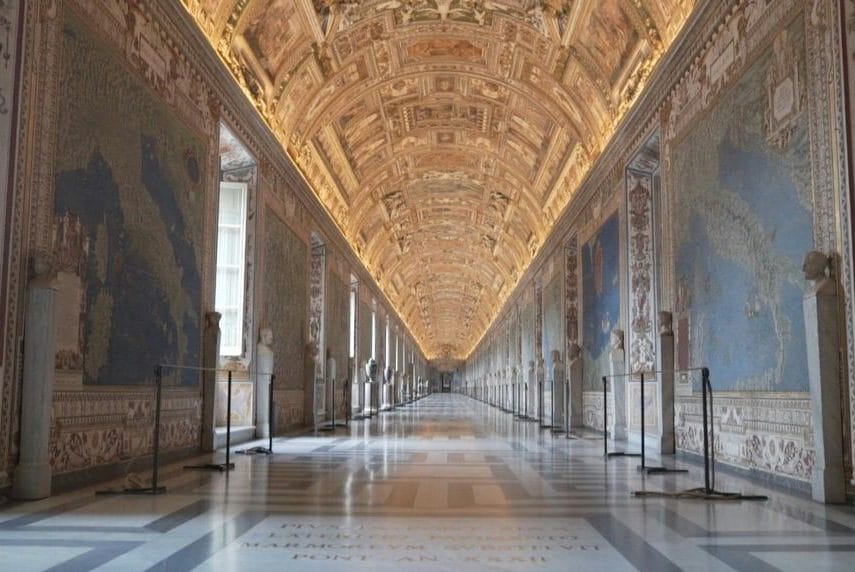
Vatican Museums and Sistine Chapel Tour
- What’s Included: Skip-the-line access, expert guide, Vatican Museums and Sistine Chapel.
- Duration: 3 hours
Explore the Vatican Museums and the Sistine Chapel with a 100% private guided tour, created exclusively for you and your group. Skip long lines, avoid crowded group tours, and enjoy one of the world’s most extraordinary art collections with a licensed expert guide.