
Michelangelo Buonarroti and Pope Paul III Farnese were central figures in Renaissance Rome, shaping its artistic and cultural legacy. While widely known for masterpieces like the Sistine Chapel’s Last Judgment, their collaboration was marked by artistic brilliance, personal conflict, and playful defiance that reveal a vivid picture of life and art under papal patronage.
🖼️ Who Was Pope Paul III Farnese?
Pope Paul III (pontificate 1534–1549) was more than a religious leader — he was a Renaissance patron of art and culture. Known for major architectural commissions, urban development in Rome, and support for humanist scholars, Paul III’s influence extended across both spiritual and artistic spheres.
Key points:
- Commissioned major projects including works in Saint Peter’s Basilica and Vatican decoration.
- Promoted cultural prestige and artistic innovation throughout Rome.
🎨 Michelangelo and The Last Judgment
One of their most famous intersections was the commissioning of Michelangelo’s Last Judgment in the Sistine Chapel. Although it is celebrated today as a pinnace of Renaissance art, the fresco initially sparked controversy for its many nude figures.
Satire and Conflict
A famous story highlights a dispute between Michelangelo and Biagio da Cesena, the papal Master of Ceremonies, who criticized the nude figures as inappropriate for a papal chapel. Michelangelo responded by painting him as Minos, the mythological judge of the underworld, in the fresco’s lower right corner.
Pope Paul III reportedly laughed and defended Michelangelo, famously saying (in Italian):
“If I had put you in Purgatory, I would have tried to get you out — but in Hell I can do nothing.”
🏛️ Beyond the Sistine: Cappella Paolina and Later Works
Later in life, Michelangelo worked on frescoes in the Cappella Paolina — another papal chapel commissioned by Paul III — portraying the Conversion of St. Paul and Crucifixion of St. Peter. These works showcase a more emotional, dramatic style reflecting his late artistic vision.
Why it matters:
- Demonstrates Michelangelo’s evolving style and spiritual depth.
- Reflects Paul III’s support for art that aligned with Catholic doctrine during a time of religious change.
🕊️ Legacy: Artist & Patron
The relationship between Michelangelo and Pope Paul III was not without tension, but it produced some of the most iconic art in Rome’s history. Their collaboration helped define the artistic identity of the Renaissance and cemented Rome’s status as a global cultural center.
Takeaways for travelers and art lovers:
- Discover these works in situ during a walk through the Vatican and Rome’s historic centers.
- Understand the layered stories behind the art that shaped Western aesthetics.
Why did Michelangelo and Pope Paul III clash ?
Their conflict was primarily professional. Michelangelo felt overwhelmed by the Pope’s massive commissions (like the Pauline Chapel and St. Peter’s), which prevented him from finishing his lifelong project, the Tomb of Julius II.
What is the “Farnese Bull” and its connection to Michelangelo ?
While not a painting, the Farnese Bull is a massive Roman sculpture discovered in the Baths of Caracalla during Paul III’s reign. Michelangelo advised on its placement within the Farnese family’s collection.
Where can I see Michelangelo’s work for Paul III today ?
The most significant sites are the Sistine Chapel (The Last Judgment), the Pauline Chapel (Vatican), Palazzo Farnese, and the dome of St. Peter’s Basilica.
Start Planning Your Private Rome Experience Today
Discover Rome like never before with private tours led by local experts. Perfect for first-timers and repeat travelers alike.
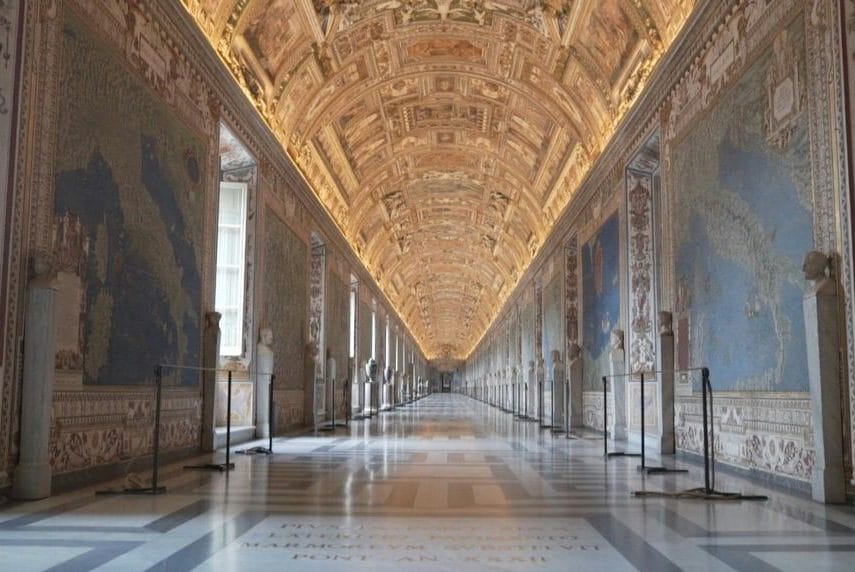
Vatican Museums and Sistine Chapel Tour
- What’s Included: Skip-the-line access, expert guide, Vatican Museums and Sistine Chapel.
- Duration: 3 hours
Explore the Vatican Museums and the Sistine Chapel with a 100% private guided tour, created exclusively for you and your group. Skip long lines, avoid crowded group tours, and enjoy one of the world’s most extraordinary art collections with a licensed expert guide.