
A fully private experience with a licensed expert
- ⭐ Private licensed guide
- 🚶 Skip-the-line access
- 🎧 Fully customizable itinerary
- 📅 Flexible dates & start time
- 📍 Duration: 2 hours
Tour Overview
Hidden just steps from Via Veneto lies one of Rome’s most unexpected viewpoints. Villa Maraini, home to the Swiss Institute, combines Belle Époque elegance, cultural exchange, and breathtaking panoramic views over the Eternal City.
Check Availability & Price
Private Tour Pricing
👉 Starting from 299 € / $ 320 USD por person per group
Final price depends on group size, date, and optional upgrades.
Submit a request
Tour Description
Villa Maraini, located in Rome’s Ludovisi district, is an early 20th-century eclectic villa that today hosts the Swiss Institute. Visitors can explore art exhibitions, cultural events, and scientific activities.
The villa is renowned for its elegant interiors, beautifully landscaped gardens, and a panoramic tower offering breathtaking views over Rome.
Visiting Villa Maraini
- Hours & Access: Generally open via private tours or special events hosted by the Swiss Institute.
- Address: Via Palestro 2, Rome (near Barberini Metro Station).
- Tip: Book in advance to secure your visit.
- Highlights: Garden, panoramic tower, temporary exhibitions at the Swiss Institute.
A Secret Villa Above the Historic Center
Tucked away in the elegant Ludovisi district, Villa Maraini is one of Rome’s best-kept architectural secrets. The villa rises above the city on an artificial hill near Via Veneto and Piazza di Spagna, offering one of the most spectacular panoramic terraces in the capital.
Despite its central location, many visitors walk nearby without realizing that behind its gates lies a historic residence surrounded by gardens and a cultural institution that has connected Switzerland and Italy for decades.
The Vision of Emilio Maraini
Villa Maraini was commissioned by Emilio Maraini, a Swiss entrepreneur from Lugano who became one of Italy’s leading sugar industrialists in the late 19th century.
Construction took place between 1903 and 1905, designed by his brother Otto Maraini, an architect trained at the Brera Academy in Milan.
The building reflects the eclectic architectural tastes of early-20th-century Rome, combining elements of:
- Neo-Baroque design
- Liberty (Art Nouveau) influences
- Classical Roman villa traditions
The result is an elegant aristocratic residence reminiscent of Rome’s historic garden villas such as Villa Medici and Villa Borghese.
A Villa Built on a Hill of Excavation
One of the most unusual aspects of Villa Maraini is the ground it stands on.
The villa was built on a man-made hill formed from excavation debris produced during the construction of Via Ludovisi in the late 19th century.
Instead of clearing the site, Emilio Maraini used the elevated terrain to create a dramatic vantage point above the city.
This ingenious decision transformed a pile of rubble into one of the most scenic viewpoints in Rome.
The Belvedere Tower: One of Rome’s Best Views
The villa’s most striking feature is its Belvedere Tower, rising about 26 meters above the building.
From the panoramic terrace visitors can enjoy a 360-degree view of Rome, including:
- St. Peter’s Dome
- Villa Borghese
- the historic center skyline
- the hills surrounding the city
The view is so high that only the dome of St. Peter’s Basilica stands slightly taller.
For photographers and architecture lovers, this hidden terrace is one of Rome’s most underrated vantage points.
From Private Residence to Cultural Institute
After the death of Emilio Maraini, his widow Countess Carolina Maraini-Sommaruga made a remarkable decision.
In 1946–1947 she donated the entire villa to the Swiss Confederation, with the condition that it be used to promote culture and cooperation between Switzerland and Italy.
Since 1948, Villa Maraini has been home to the Swiss Institute in Rome, a multidisciplinary center supporting artists, researchers, and cultural exchange.
The institute organizes:
- art exhibitions
- conferences
- concerts and performances
- research programs
- artist residencies
Every year, young Swiss scholars and artists live and work inside the villa as part of its residency program.
Inside the Villa
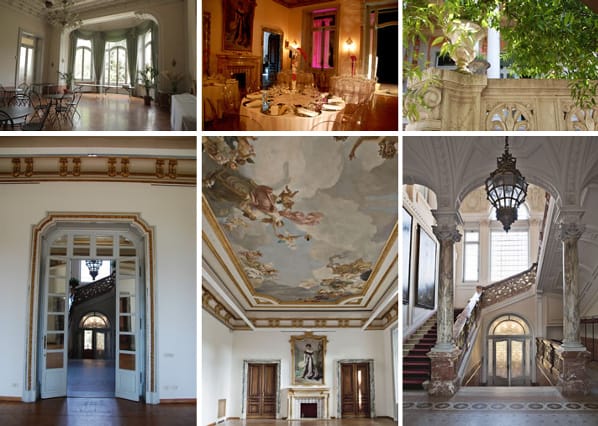
Although the villa is primarily a cultural institution, guided visits sometimes reveal its elegant historic interiors.
Highlights include:
- Marble staircases and decorative stucco
- Frescoed ceilings
- Historic salons used for cultural events
- Terraces overlooking Rome
These spaces blend the atmosphere of an aristocratic Roman residence with the vibrant energy of a contemporary cultural hub.
Did You Know?
The Villa Is Built on a Hidden Artificial Hill
Few visitors realize that Villa Maraini sits atop a hill created from construction debris from Rome’s late-19th-century urban expansion.
What was once a dumping site for excavation material became one of Rome’s most scenic terraces.
One of Rome’s Highest Private Viewpoints
The Belvedere Tower offers one of the highest viewpoints in central Rome, surpassed only by the dome of St. Peter’s Basilica.
Frequently Asked Questions
Access is limited, but some exhibitions and Swiss Institute events are open to the public. Check the official schedule before visiting.
Built between 1903 and 1905 at the commission of Emilio Maraini, the Villa is an impressive stately residence in an eclectic style—a monumental three-story building whose façades feature a layering of columns, reliefs, projections, and forms designed to give the villa a distinguished and elegant character.
The interiors will delight visitors with their stylistic sophistication, historical references, and the richness of ornamentation and materials, including stunning marbles. Their refined beauty and evocative power offer a glimpse into Roman architecture and culture spanning several centuries.
The visit concludes at the highest and most spectacular observation point in Rome, just a few meters shorter than the dome of St. Peter’s in the Vatican. From the tower’s terrace, visitors can enjoy a breathtaking 360-degree view of the capital.
⭐ 100% Private Tour (only your group) — no crowds, just your group and your guide
🚶 Personalized itinerary at your pace
🎧 Skip-the-line access and priority entry available
📸 Exclusive storytelling with Licensed English-Speaking Guide and photo stops
📅 Easy Booking & Flexible Dates – This tour isn’t fixed on a public calendar, but you can request your preferred date and time below. We’ll get back to you quickly to confirm your spot
Private tours offer personalized pacing, deeper historical insights and zero crowd disruption — perfect for families and history lovers.
Yes — private tours are ideal for families and can be tailored for all ages.
Reviews & Social Proof
⭐️⭐️⭐️⭐️⭐️
“Villa Maraini is a hidden gem in Rome! The private tour gave us an incredible insight into the Swiss Institute’s history and stunning panoramic views from the tower. Highly recommended for anyone looking for a unique experience off the beaten path.”
⭐️⭐️⭐️⭐️⭐️
“We booked the private Villa Maraini tour and it was totally worth it. Fascinating architecture and engaging stories from the guide. Ideal for lovers of art, history, and breathtaking views.”
⭐️⭐️⭐️⭐️⭐️
“Amazing experience! The garden is beautiful and the guide was knowledgeable and friendly. Perfect for a cultural walk and photography. I never knew such an elegant villa existed in central Rome.”
Related Post


The Games of Testaccio: Rome’s Ancient & Brutal Carnivals
Beyond the glitz of the city center lies Rome’s grittiest archaeological site: Monte Testaccio. Long before modern stadiums, this “hill of glass” hosted the Ludus Testacie—a series of brutal, adrenaline-fueled medieval games. If you’re looking for an off-the-beaten-path experience that combines Ancient Roman history with the wild traditions of the Roman Carnival, this is your…
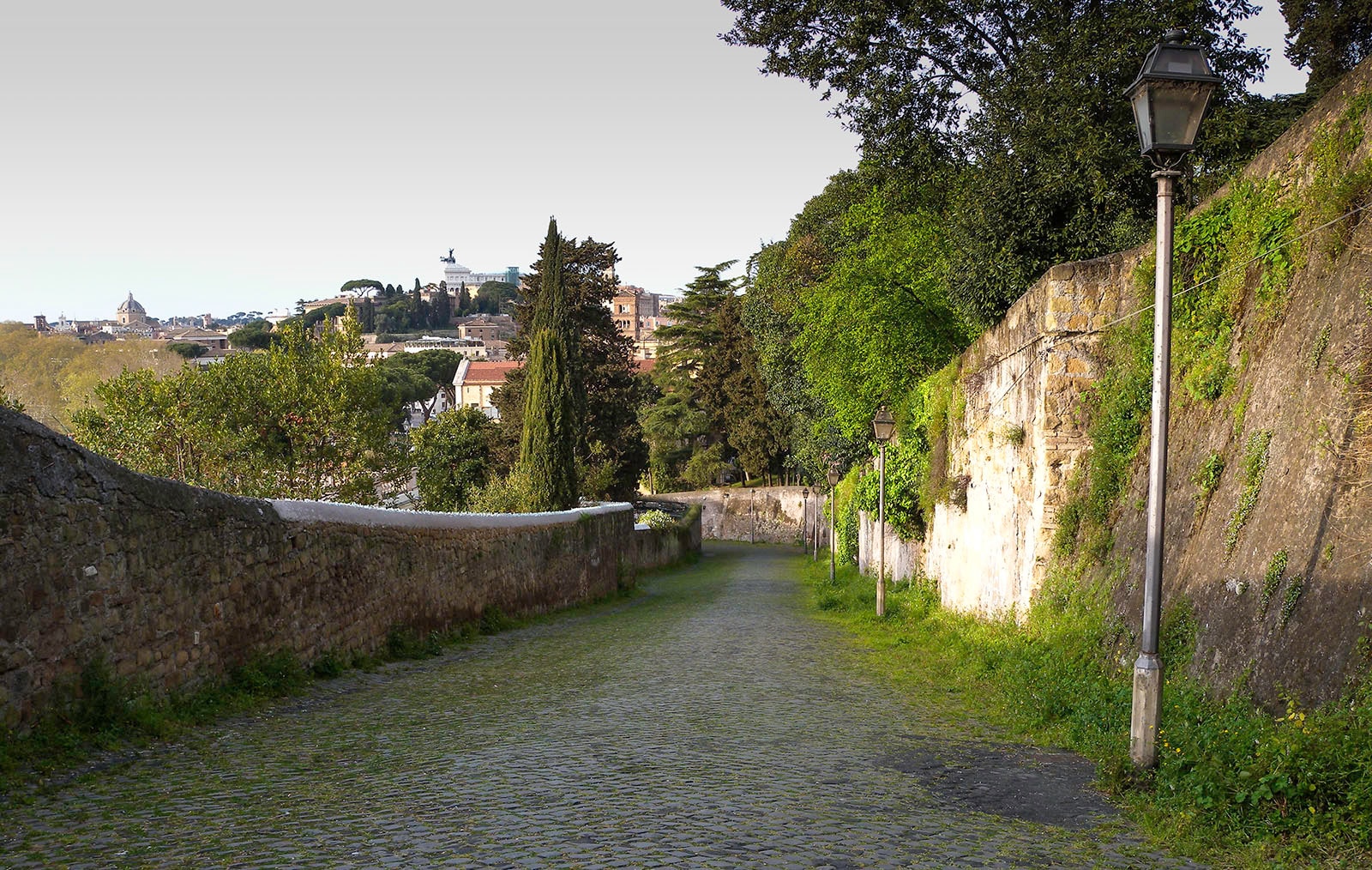

7 Hidden Gems in Rome: Secret Spots Even Locals Miss
Beyond the Colosseum’s shadow and the Trevi Fountain’s crowds lies a Rome built of shadows, symbols, and secrets. If you want to experience the soul of the city away from the tourist traps, these 7 extraordinary locations offer a glimpse into a side of Rome that remains a mystery even to those who live here.…
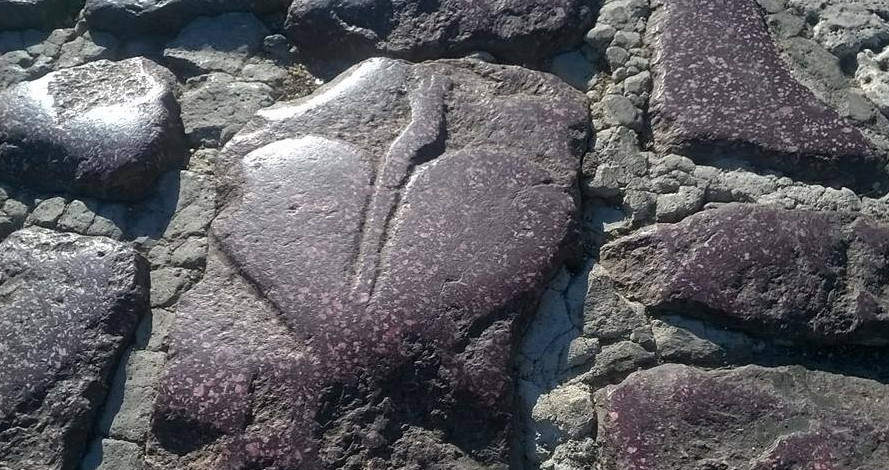

The Heart of Nero: Hidden Gem in St. Peter’s Square | RomeTrip
In the majestic expanse of St. Peter’s Square, where millions of cobblestones pave the ground, an unusual stone quietly draws attention: the Heart of Nero. This tiny porphyry stone carved like a heart hides amidst the Rosa dei Venti — the compass rose surrounding the Vatican obelisk — inviting visitors to discover a secret story…