
The Vatican is a place of immense art, history, and spirituality — but also of intriguing scandals. Among the most talked-about stories of the Renaissance is that of Giulia Farnese and her brother, Pope Paul III, a tale woven through art, symbolism, and controversy.
Who Was Giulia Farnese?
Giulia Farnese (1475–1524), known in her time as Giulia “la Bella” (Giulia the Beautiful), was a noblewoman at the heart of Renaissance Rome. As a young woman she became the mistress of Pope Alexander VI (Rodrigo Borgia), one of the Renaissance’s most notorious pontiffs.
Her influence at the papal court was significant: she used her position to advance her family’s status — most notably enabling her brother Alessandro Farnese to rise rapidly through the Church hierarchy.
Alessandro Farnese Becomes Pope Paul III
Alessandro Farnese, Giulia’s brother, later became Pope Paul III in 1534. Despite his reputation as a religious reformer, his papacy was marked by nepotism and dynastic ambition typical of Renaissance politics.
As pope, Paul III used his influence to elevate family members — including giving prestigious positions to his own grandchildren, a move that sparked controversy even among his contemporaries.
Scandal Enshrined in Stone — The Tomb of Paul III
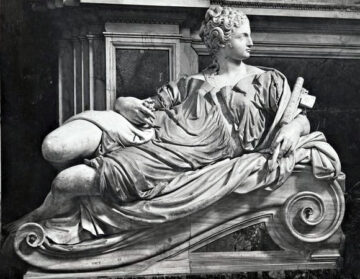
Paul III’s tomb in St. Peter’s Basilica was designed by Michelangelo and sculpted by Guglielmo della Porta in 1574. At the base of the monument stood allegorical female figures representing virtues such as Justice, Prudence, Abundance, and Peace.
According to local tradition, the figure representing Justice was inspired by Giulia Farnese, the pope’s celebrated sister.
However, when Pope Clement VIII saw the striking statue centuries later, he considered its nudity inappropriate for the basilica. In 1593, the sculptor Teodoro della Porta (son of Guglielmo) covered it with a metal “dress,” which remained in place to protect both the statue and the courtly story it symbolized.
Why the Story Still Matters
The controversy around Giulia Farnese and Paul III highlights the complex intersection of art, religion, and scandal in the Renaissance era. These tales offer a vivid glimpse into how personal relationships and political influence shaped the history of the Vatican and its masterpieces.
For travelers exploring Rome and Vatican City, uncovering these lesser-known stories enriches any visit to iconic sites like St. Peter’s Basilica and deepens appreciation for the historical layers hidden behind the art.
Was Giulia Farnese really the mistress of the Pope ?
Yes. Historical records confirm her long-term relationship with Pope Alexander VI (Rodrigo Borgia). Their liaison was public knowledge and a major source of gossip in the 15th-century Vatican.
Where is the statue of Giulia Farnese ?
While there is no “official” statue, tradition holds that the figure of Justice on the tomb of her brother, Pope Paul III, in St. Peter’s Basilica is modeled after her.
Why is the statue on the tomb wearing a metal dress ?
The statue was originally nude. It was covered with a bronze dress in the late 1500s because the Vatican deemed it too provocative and scandalous for a religious setting.
Start Planning Your Private Rome Experience Today
Discover Rome like never before with private tours led by local experts. Perfect for first-timers and repeat travelers alike.
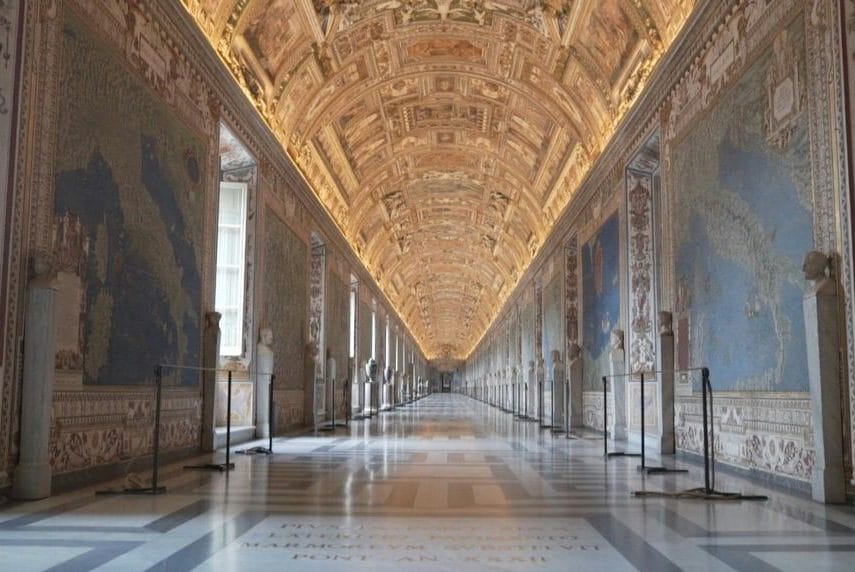
Vatican Museums and Sistine Chapel Tour
- What’s Included: Skip-the-line access, expert guide, Vatican Museums and Sistine Chapel.
- Duration: 3 hours
Explore the Vatican Museums and the Sistine Chapel with a 100% private guided tour, created exclusively for you and your group. Skip long lines, avoid crowded group tours, and enjoy one of the world’s most extraordinary art collections with a licensed expert guide.