
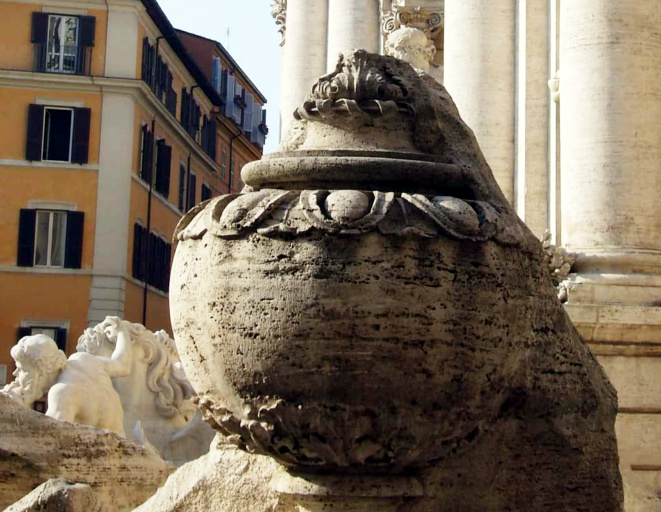
The Trevi Fountain is one of the most iconic landmarks in Rome, admired for its monumental beauty and famous coin-throwing tradition. Yet, few visitors notice a strange and intriguing element hidden on the right side of the fountain: a large stone vase known as the “Ace of Cups” (Asso di Coppe).
This unusual feature is one of the most fascinating hidden details of the Trevi Fountain, blending architecture, irony, and Roman character into a single object.
What Is the Ace of Cups at the Trevi Fountain?
The Ace of Cups is a large travertine stone vase positioned near the balustrade on the right side of the Trevi Fountain. At first glance, it may seem like a simple decorative element, but its placement and shape immediately stand out.
Its nickname comes from its resemblance to the Ace of Cups card in traditional Italian playing cards, commonly used in games such as Scopa. Romans, famous for their humor and sharp observation, quickly gave it this ironic name.
The Legend Behind the Ace of Cups
According to a popular Roman legend, the story dates back to the construction of the Trevi Fountain in the 18th century.
The architect Nicola Salvi, who designed the fountain, reportedly had a difficult relationship with a local barber whose shop overlooked the construction site. The barber constantly criticized Salvi’s work, offering unsolicited opinions on the design.
Tired of the interruptions, Salvi is said to have placed the large stone vase directly in front of the barber’s window, permanently blocking his view of the fountain.
A clever architectural “revenge” — subtle, silent, and very Roman.
Whether completely true or partially exaggerated, this legend perfectly reflects the spirit of Rome, where history and storytelling are inseparable.
Symbolism and Roman Humor
Beyond the legend, the Ace of Cups represents:
- 🏛️ Architectural wit rather than pure decoration
- 🎴 A playful reference to popular Roman culture
- 👀 A reminder to observe Rome’s monuments carefully
Unlike grand statues or inscriptions, this detail rewards curious travelers who look beyond the obvious.
Why Most Visitors Miss the Ace of Cups
- The Trevi Fountain attracts massive crowds
- Visitors focus on the central sculptures and water basin
- The Ace of Cups sits slightly aside, easy to overlook
Yet discovering it transforms a standard visit into a story-driven experience, ideal for travelers interested in Rome legends, secrets, and hidden gems.
Ace of Cups vs Trevi Fountain Traditions
| Main Trevi Fountain | Ace of Cups |
|---|---|
| Coin-throwing ritual | Observation & legend |
| Monumental sculpture | Simple stone vase |
| Famous worldwide | Known mainly by locals |
| Tourist tradition | Roman anecdote |
Why You Should Look for It During Your Rome Trip
If you enjoy:
- Hidden stories
- Roman humor
- Unusual architectural details
- Exploring Rome like a local
…then the Ace of Cups at the Trevi Fountain is a must-see detail that adds depth and personality to one of Rome’s most famous landmarks.
Practical Information
- Location: Right side of the Trevi Fountain
- Access: Free
- Best time to see it: Early morning or late evening
- Tip: Step back and observe the balustrade carefully
FAQ
What is the Ace of Cups at the Trevi Fountain?
It is a large stone vase located on the right side of the Trevi Fountain, named after its resemblance to the Ace of Cups playing card.
Why is it called the Ace of Cups?
Because its shape resembles the Ace of Cups card used in traditional Italian card games.
Is the Ace of Cups part of the original Trevi Fountain design?
Yes, it is part of the architectural composition and has become famous due to a local Roman legend.
Start Planning Your Private Rome Experience Today
Discover Rome like never before with private tours led by local experts. Perfect for first-timers and repeat travelers alike.
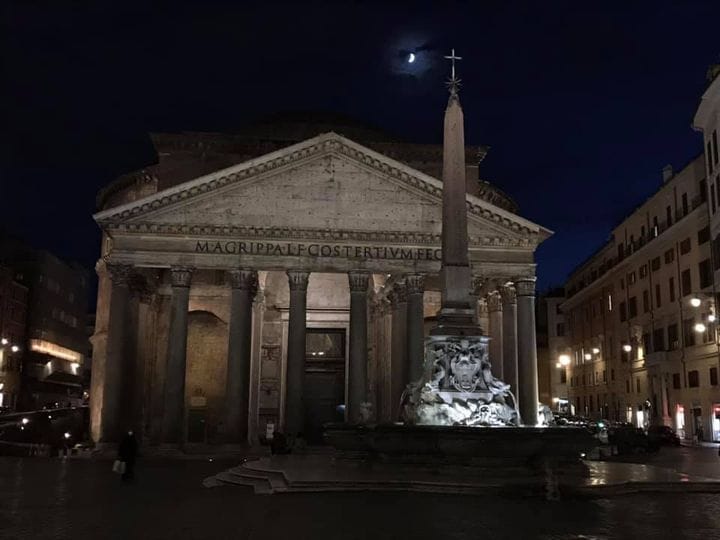
introduction to rome: Pantheon, trevi fountain and much more
⭐⭐⭐⭐⭐ (4.9/5)
- What you’ll see: Pantheon, Piazza Navona, and Campo de’ Fiori and much more.
- Why it’s special: The perfect introduction to Rome — a relaxed, expertly guided walk that blends famous landmarks with local stories and hidden details.
- 🕒 Duration: 3 hours
- Starting from 300 $