
In the early 18th century, long before modern press freedoms were enshrined in law, one writer faced the ultimate punishment — death — for the words he published. His story, rooted in power, religious authority, and censorship, remains a striking example of the dangers journalists once faced for challenging the status quo. This article dives into that tragic episode and explores why understanding it matters today.
Who Was Filippo Rivarola ? The Journalist at the Center of a Fatal Controversy
In August 1708, Filippo Rivarola — an Italian churchman and writer — was reportedly condemned to death by order of Pope Clement XI. According to historical accounts, he was accused of publishing writings that “tore at the Pope’s reputation” and challenged ecclesiastical authority. The trial, overseen by the Tribunal of the Holy Office, ultimately sentenced him to the gallows on August 4, 1708. Accounts of the execution describe a chaotic scene where public outrage erupted at how the execution was carried out.
Why it matters: This case predates widespread legal protections for journalists and falls into a dark chapter in European history when dissent was often punished harshly.
Journalism Under Threat: A Broader Historical Context
While Rivarola’s story is striking, historians point to other moments where journalists faced death sentences:
- In post-World War II France, journalist Georges Suarez was sentenced to death for collaboration during the Épuration légale, the period of punitive justice after Nazi occupation.
In modern times, journalists in authoritarian regimes, like Turki al-Jasser in Saudi Arabia, have been executed following convictions related to their publications — a chilling reminder that press freedom remains under threat today.
These cases reflect a long history of journalists at odds with powerful entities — from monarchies and religious authorities to modern governments.
What This Means for Press Freedom Today
Journalism has always been more than storytelling. It challenges authority, holds power accountable, and exposes hidden truths. Yet history shows that speaking truth to power has often come at great personal risk — sometimes, the greatest of all.
The story of Rivarola, Suarez, and contemporary journalists underlines the ongoing global struggle for press freedom — a struggle that shapes how societies value truth and freedom of expression.
Who was the first journalist ever sentenced to death ?
Historical accounts point to Filippo Rivarola in 1708, condemned by ecclesiastical authorities — a case often cited as one of the earliest recorded.
Are journalists still sentenced to death today ?
Yes. In recent decades, journalists in authoritarian regimes have faced capital punishment, including documented executions such as that of Turki al-Jasser in Saudi Arabia.
Why is press freedom important ?
Press freedom is a cornerstone of democratic societies, safeguarding the public’s right to information and enabling accountability across institutions.
Start Planning Your Private Rome Experience Today
Discover Rome like never before with private tours led by local experts. Perfect for first-timers and repeat travelers alike.
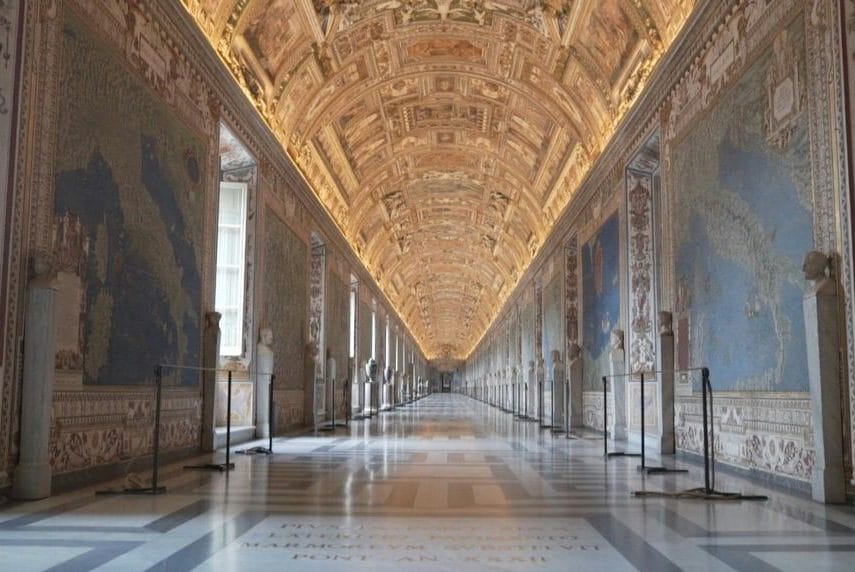
Vatican Museums and Sistine Chapel Tour
- What’s Included: Skip-the-line access, expert guide, Vatican Museums and Sistine Chapel.
- Duration: 3 hours
Explore the Vatican Museums and the Sistine Chapel with a 100% private guided tour, created exclusively for you and your group. Skip long lines, avoid crowded group tours, and enjoy one of the world’s most extraordinary art collections with a licensed expert guide.